
Traditional Kuwaiti Breakfast Dishes You Should Taste
A Delicious Guide to Kuwait’s Morning Traditions
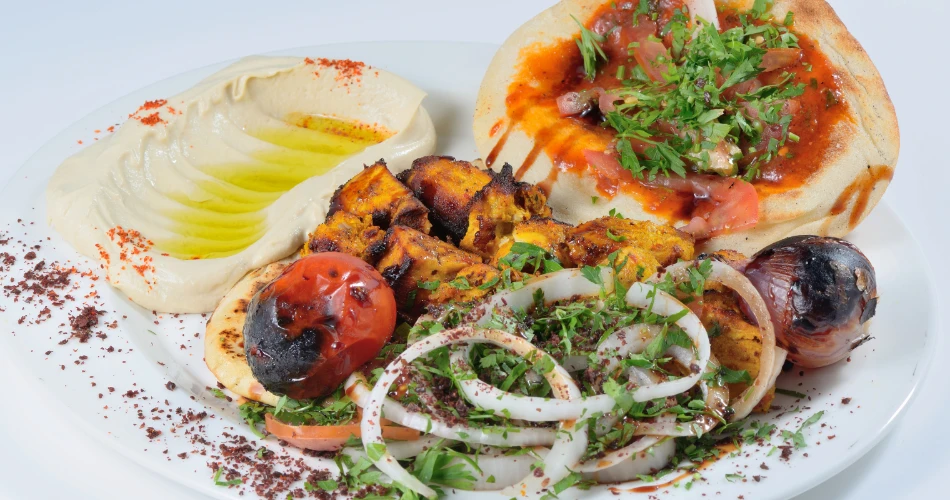
Breakfast in Kuwait is more than just the first meal of the day—it’s a celebration of culture, family, and heritage. Traditional Kuwaiti breakfast dishes are rich in flavor, combining local ingredients with influences from the wider Middle East, Persia, and India. Whether you’re visiting Kuwait or simply curious about its cuisine, tasting these authentic dishes will give you a real sense of the country’s food culture.
In this guide, we’ll walk through some of the most loved traditional Kuwaiti breakfast dishes, along with simple activities to do and places in Kuwait City where you can enjoy them.
Balaleet – Sweet and Savory Harmony
Balaleet is one of the most iconic traditional Kuwaiti breakfast dishes. It combines thin vermicelli noodles cooked with sugar, cardamom, and saffron, topped with a golden omelet. The mix of sweet and savory might surprise you, but once you try it, you’ll understand why it’s a staple of Kuwaiti mornings.
Where to enjoy Balaleet in Kuwait City:
-
Freej Swaileh Restaurant – Popular for its authentic Kuwaiti dishes, served in a warm, family-style atmosphere.
-
Beit Dickson Museum Café – Enjoy balaleet while soaking up Kuwait’s history in a traditional setting.
Simple activity nearby: After breakfast at Freej Swaileh, take a short stroll through Souq Al-Mubarakiya, one of Kuwait’s oldest markets, for a cultural shopping experience.
Khubz and Chebab – Fresh Breads at the Heart of Breakfast
No Kuwaiti breakfast is complete without khubz, the traditional flatbread. Baked in stone ovens, it’s served warm with cheese, honey, or date syrup. Another favorite is chebab, a Kuwaiti pancake flavored with saffron and cardamom, often paired with dibs (date syrup).
Where to try Khubz and Chebab:
-
Kuwaiti Kitchen Restaurant – Famous for its freshly baked bread and homestyle breakfast.
-
Shati Al Qahwa Café – Perfect for pairing chebab with traditional Arabic coffee.
Simple activity nearby: After enjoying chebab at Shati Al Qahwa Café, relax with a morning walk along Kuwait Corniche, taking in views of the Arabian Gulf.
Harees – A Hearty Comfort Breakfast
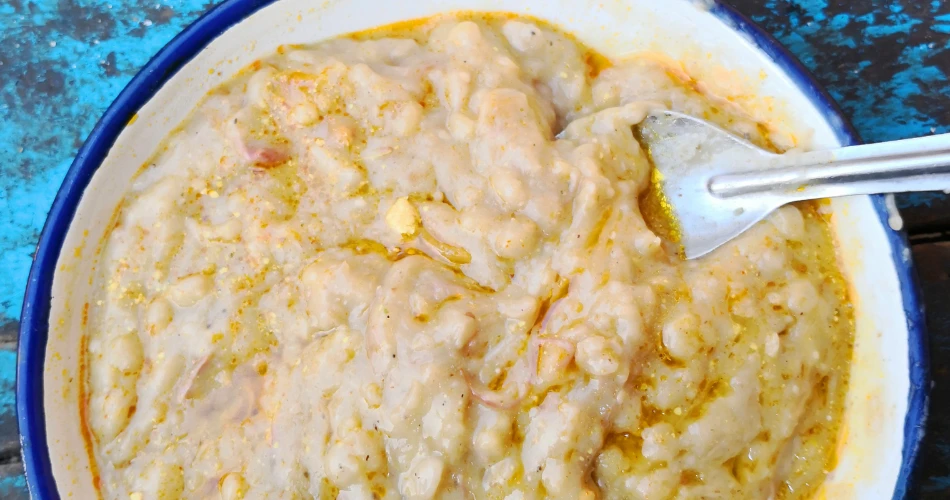
Harees is a porridge-like dish made from wheat and slow-cooked meat, usually chicken or lamb. It has a soft, creamy texture and is especially popular during Ramadan but is also a beloved breakfast dish year-round.
Where to taste Harees:
-
Mais Alghanim Restaurant – A historic restaurant known for serving classic Kuwaiti dishes, including hearty harees.
-
Layali Al-Helmeya – Offers traditional harees in generous portions, ideal for sharing.
Simple activity nearby: After breakfast at Mais Alghanim, you can head over to the Kuwait Towers, one of the country’s most iconic landmarks, just a short distance away.
Gabout – Flavorful Dumplings for Breakfast
Gabout is a Kuwaiti dumpling dish filled with meat and flavored with spices, served in a thick stew. Though heavier than other breakfast options, it’s a dish that brings comfort and flavor, perfect for those who enjoy a hearty start to their day.
Where to try Gabout:
-
Dar Hamad Restaurant – Offers a refined experience of traditional Kuwaiti dishes, including delicious gabout.
-
Suhail Restaurant – Known for combining traditional recipes with modern presentation.
Simple activity nearby: After enjoying gabout at Dar Hamad, visit the Al Shaheed Park, Kuwait’s largest urban park, with beautiful gardens and walking trails.
Nakhi and Bajella – Legume-Based Favorites
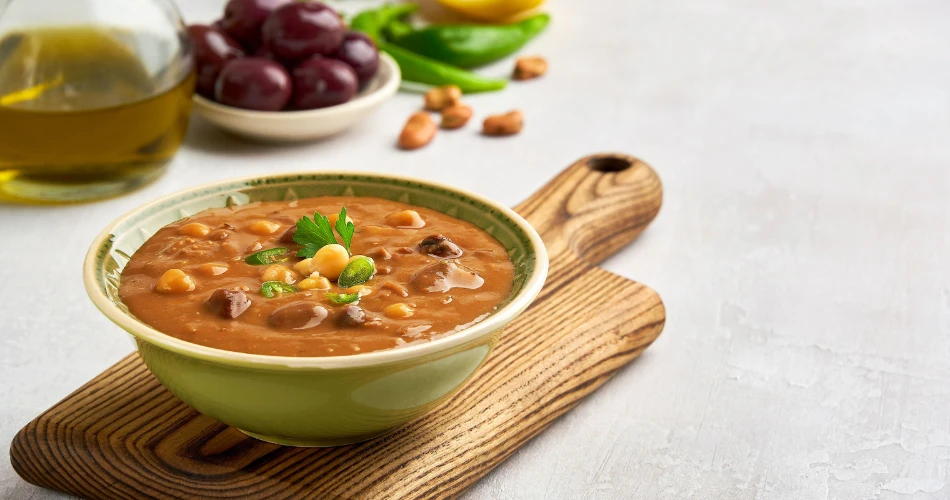
For a lighter breakfast, many Kuwaitis enjoy nakhi (chickpeas) and bajella (fava beans), cooked with garlic, cumin, and lemon. These dishes are often eaten with warm bread and are a healthier, protein-rich option.
Where to enjoy Nakhi and Bajella:
-
Souq Al-Mubarakiya Food Stalls – A must-visit spot for trying street-style traditional breakfasts.
-
Mubarakiya Cafés – Small eateries around the souq serving freshly prepared nakhi and bajella.
Simple activity nearby: After your meal, wander through the vibrant Souq Al-Mubarakiya, exploring spice shops, handicrafts, and traditional Kuwaiti sweets.
Foul Medames – A Regional Favorite with a Kuwaiti Touch
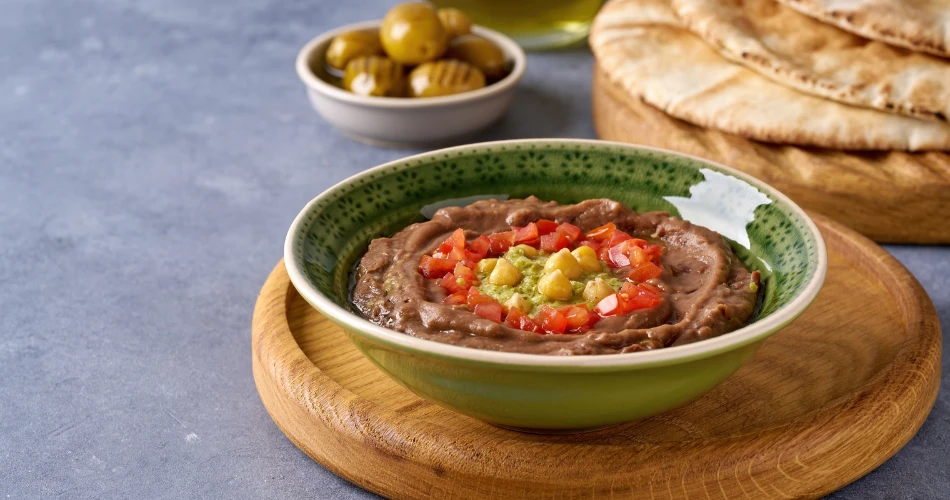
Though originally from Egypt, foul medames (stewed fava beans) has been warmly adopted in Kuwait, often prepared with olive oil, lemon, and fresh herbs. It’s a common breakfast dish across the Middle East and a staple on many Kuwaiti tables.
Where to eat Foul Medames:
-
Shay Al Shamoos Café – A cozy, popular spot run by a Kuwaiti woman, serving authentic foul with fresh bread.
-
Beit Al Sadu Café – Offers traditional foul in a heritage-style environment.
Simple activity nearby: After breakfast at Shay Al Shamoos, explore Sadu House, a cultural center dedicated to Bedouin weaving and Kuwaiti heritage.
Conclusion
Exploring traditional Kuwaiti breakfast dishes is more than just tasting food—it’s a journey into the culture and hospitality of Kuwait. From the sweet and savory flavors of balaleet to the hearty comfort of harees, each dish tells a story of tradition and community. Pair your food adventures with simple activities like strolling through souqs, visiting iconic landmarks, or enjoying the seaside, and you’ll have a morning experience that’s authentically Kuwaiti.
So, the next time you find yourself in Kuwait, start your day the Kuwaiti way—with flavors that linger long after breakfast is done.


About Author
Mia produces the best blogs when it comes to the cuisines of different countries. She's a foodie-cum-travel enthusiast, which makes her one of the best food travel bloggers!